









// Recruitment Technology, Recruitment Strategies
How to Approach Candidates in US Tech Recruitment
22/12/2025
9 MIN
Over the years, I’ve conducted interviews for mostly technical roles across many countries, including Germany, Greece, France, the UK, the US, India, and others. When interviewing at this scale, one thing becomes very clear: there are noticeable differences between candidates depending on geography, especially across the roles, such as data, product, software, and cloud positions.
These differences are shaped by factors such as a country’s location and size, access to higher education, availability of career opportunities, and overall market maturity and competitiveness. Beyond these external influences, however, one element stands out consistently across all regions, the willingness of candidates to grow, reflected in their motivation to learn new tools, adopt emerging tech, and develop leadership skills as they progress in seniority.
India
In India, I’ve encountered many candidates who possess expert knowledge and a deep understanding of specific tools and technologies. This focus is driven by an extremely competitive market, where such expertise in a narrow area can be a key differentiator. Candidates tend to be very targeted in their skill sets and career paths, particularly in areas like machine learning and software development. Last but not least, India is a hub for U.S. staffing companies, providing many job opportunities for skilled recruiters.
Germany
In Germany, candidates often demonstrate strong soft skills and a high level of English proficiency and a strong sense of professionalism. This is partly due to the country’s central location in Europe and its highly international business environment. Many professionals work across borders, travel frequently, and collaborate with global teams, which naturally strengthens communication and cross-cultural skills.
Greece
In Greece, I’ve observed candidates placing strong emphasis on certifications and continuous upskilling. The local market is relatively small, budgets are lower, and competition is high. As a result, professionals invest heavily in credentials to stand out and remain competitive both locally and internationally. Additionally, many technical professionals strongly prefer remote work, and roles labeled as hybrid or on-site are often considered deal breakers, especially when remote opportunities abroad are accessible.
Does the US Market Stand Apart?
Compared to all the countries I’ve recruited for, the US market stands out as the most challenging, and this is driven by a combination of speed, competition, and technological maturity, particularly in the roles I’ve worked on most extensively, such as Full Stack Engineers, AI Engineers, and Back End Engineers.
Recruiting for US tech roles, especially when targeting industry leaders and fostering industry leadership, requires a different approach than most other markets.
The US is a highly fast-paced recruiting environment. Candidates often apply to several open roles simultaneously and expect hiring processes to move quickly. With a wide range of open positions available, many candidates, especially strong mid to senior level profiles, hold a clear advantage. They are more comfortable negotiating salaries, requesting higher compensation, and being selective about which roles they pursue.
Many candidates actively manage their job search, applying strategically to multiple opportunities to maximize the benefits they receive from their next role.
Technology is another key differentiator. Compared to Europe, US companies tend to adopt new technologies earlier, with AI playing a central role. Many startups are built around AI from day one, and candidates are typically very engaged with emerging tools, frameworks, and trends. Curiosity and hands-on experimentation are common traits, not exceptions.
Cultural fit and attitude are as important as skills in tech recruitment. When it comes to soft skills, candidates in the US tend to present themselves very effectively. They are generally confident, communicate clearly, and are able to address a wide range of questions with ease. This confidence contributes to their overall performance and success in interviews.
Most come well prepared for interviews, having taken the time to research the company and understand the role beforehand. For recruiters focusing on US tech recruitment, speed, precision, and a compelling story are essential to engage top talent.
Overall, recruiting in the US requires a different mindset: speed, precision, and a compelling story are essential. Without them, even strong opportunities can be easily overlooked in such a competitive and dynamic market. Mastering US tech recruitment means understanding these market-specific behaviors and expectations and running an effective recruitment process.
Main Challenges that Tech Recruitment is Facing in the US
One challenge I encountered more often than in other markets was a lower average interview attendance rate. While many candidates scheduled calls, some were unable to attend as planned. This appears to be a reflection of the fast-moving and opportunity-rich nature of the market, where candidates often manage multiple processes in parallel and adjust their priorities accordingly.
Approximately 46% of tech employees would consider leaving a job if remote flexibility was removed, which further influences attendance and engagement in the recruitment process.
At the same time, one of the most difficult aspects of recruiting in the US is the low candidate response rate. Talented professionals are constantly approached by recruiters, both agencies and independent consultants, which makes them highly selective.
They tend to respond only to opportunities that strongly align with their interests, compensation expectations, and long-term goals. Understanding these patterns is crucial for effective US tech recruitment.
How Can You Tackle Those Challenges As Recruiters?
First, there are a variety of tools and strategies you can use to improve response rates and increase interview attendance. One example is Atlas, a recruitment platform that has been built with AI and includes AI Agents to support recruiters in managing outreach and candidate interactions more efficiently.
Below, I’ve outlined some of the most effective tools along with practical tips and best practices to help you achieve better candidate engagement in US tech recruitment:
Outreach Campaigns with Personalized Messages
When crafting outreach messages, personalization is essential, especially in the U.S. market, where even the smallest details can make a difference. Building strong relationships with candidates helps improve engagement and trust throughout the recruitment journey.
With Atlas’s recruitment outreach campaigns, you can choose the exact channel through which your messages are sent, as well as the specific date and time of delivery. This is particularly valuable when recruiting across time zones. For example, if you are based in Europe but interviewing candidates in the U.S., you can schedule messages to reach them at the most appropriate time in their local time zone. This approach improves candidate engagement in US tech recruitment efforts, especially if you are part of a recruitment agency.
Atlas also helps you identify candidates’ contact information, such as email addresses and phone numbers, enabling you to reach out through multiple channels. Whether you prefer to send a personalized message or call a candidate directly to discuss the position you’re recruiting for, the platform makes it easy to connect.
Beyond scheduling, Atlas allows you to train AI models to match your unique writing style, making every message feel as though it was personally written by you. You can also create reusable snippets containing key information, which the AI then uses to generate fully personalized outreach messages for each candidate.
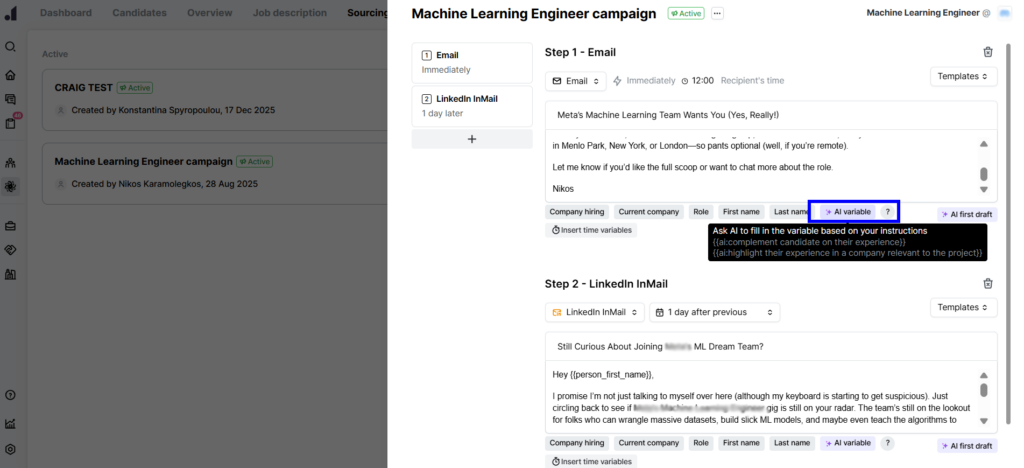
The result is thoughtful, timely, and highly personalized communication at scale, key for successful US tech recruitment.
Writing Style Agent
When sourcing candidates and creating an outreach campaigns as mentioned before, Atlas writing style agents generate outreach messages that match your personal writing style. You can set preferences for tone, structure, and formality, and the AI will create emails that feel authentic, on-brand, and aligned with your communication style.
This way, every message feels personal to the candidate, while saving you time and ensuring consistency across all outreach campaigns. As a result, the response rate in US tech recruitment will increase.
Meeting Scheduling Agent
Customize your calendar with interview details and your availability. When creating a calendar link, you can choose the meeting duration, set a title, and add a meeting description. You can create one calendar link per project or multiple links if needed. Once set up, you can share the link with tech talents in one click to schedule interviews. Doing this helps improve the interview attendance rate.
The calendar is color-coded, which makes it easier to see and manage your interviews. You can also send a reminder one day before the meeting to help candidates remember and join on time. Interviews are automatically linked to the correct recruitment projects based on the candidate, so there is no need to organize them manually.
When scheduling an interview, you can choose whether or not to send a calendar invite, depending on your needs. If a candidate has more than one email address, you can select the correct one when adding them to the meeting. This helps avoid confusion and keeps communication clear.
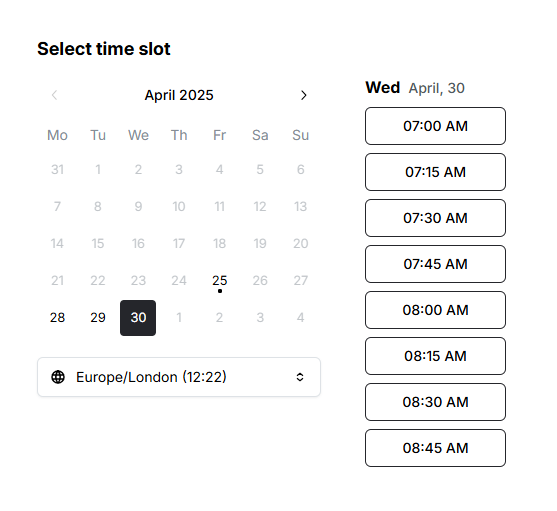
Using platforms like Atlas, recruiters can streamline tasks such as screening resumes, tracking candidate interactions, and managing outreach, which saves time and improves the overall recruitment journey, and helps companies attract top talent to drive innovation.
Final Practical Tips to Boost Top Talent Engagement
Recruiting in the US market, particularly for roles like Full Stack Engineers, AI Engineers, Back End Engineers, and Data or Cloud positions, requires a targeted approach. Candidates often have multiple opportunities at hand, so sending a personalized follow-up a day before the interview can significantly improve attendance. Providing consistent recruitment services across markets helps teams maintain quality while expanding their global reach.
Collecting phone numbers ensures you can reach them if an email or message is missed, and asking about other active interviews helps you understand their priorities. Tools like the Atlas Chrome extension make it easier to extract key candidate details, track interactions, and streamline communication.
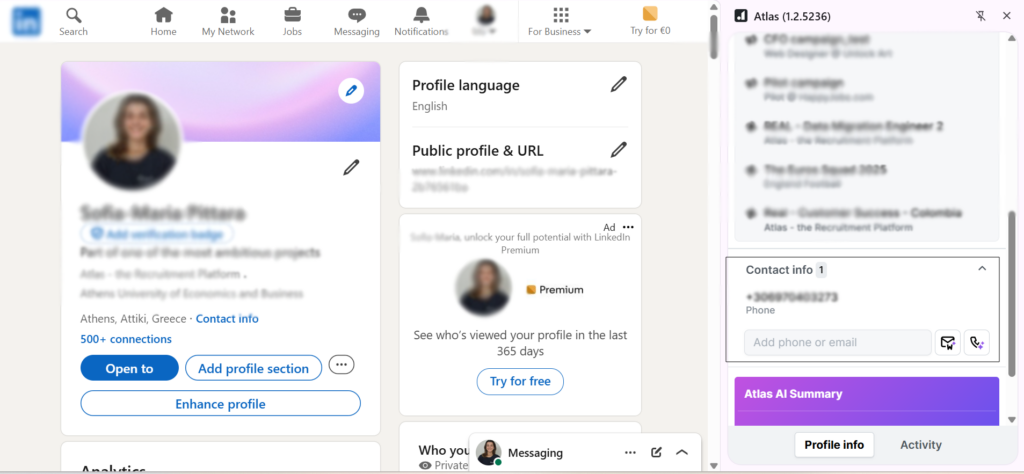
Also, the importance of clear and timely communication with candidates, clients, and future employees is especially evident in fast-moving US tech recruitment processes, helping match the right expertise to each job, shaping the future of hiring, and exploring what matters most to candidates.
For recruiters looking to succeed in US tech recruitment, I highly recommend combining personalized outreach, timely follow-ups, and verified contact information to ensure a smooth recruitment process and a positive recruitment journey. Ultimately, talent acquisition consultants can maintain strong engagement across markets while expanding their global reach without compromising candidate experience.

Related news

// Recruitment Technology, Recruitment Strategies
12 Best AI Recruitment Tools for Staffing Agencies in 2026
Discover the 12 best AI recruitment tools for 2026 and pick the top software apps to win more business for your staffing agency.
12/19/2025
18 MIN

// Recruitment Technology, Recruitment Strategies
4 Ways Recruitment Automation Frees Up Your Time for High-Value Work
Find out how recruitment automation reduces manual tasks, boosts efficiency, and frees recruiters to focus on strategic, high-value work.
11/17/2025
8 MIN

// Recruitment Technology, Recruitment Strategies
7 Perks of Switching to an AI Recruitment Management System
See how upgrading to an AI recruitment platform can streamline hiring, improve candidate matching, and boost recruiter productivity.
11/11/2025
6 MIN